




Embedded System Architecture is the Foundation for Design and Planning

You don't need an engineering degree to source the correct hardware for an embedded system. You need a structured plan — one that maps the relationships between hardware and software so that every member of the team, technical or not, is working from the same picture.
Modern embedded systems are designed by interdisciplinary teams: planners, buyers, product managers, marketers, and engineers all contribute to the outcome. The challenge is making sure financial objectives, application requirements, and hardware decisions stay aligned across all of them. The tool that makes that possible is the embedded system architecture.
Define the architecture first. Everything else — component selection, cost control, timeline — follows from it.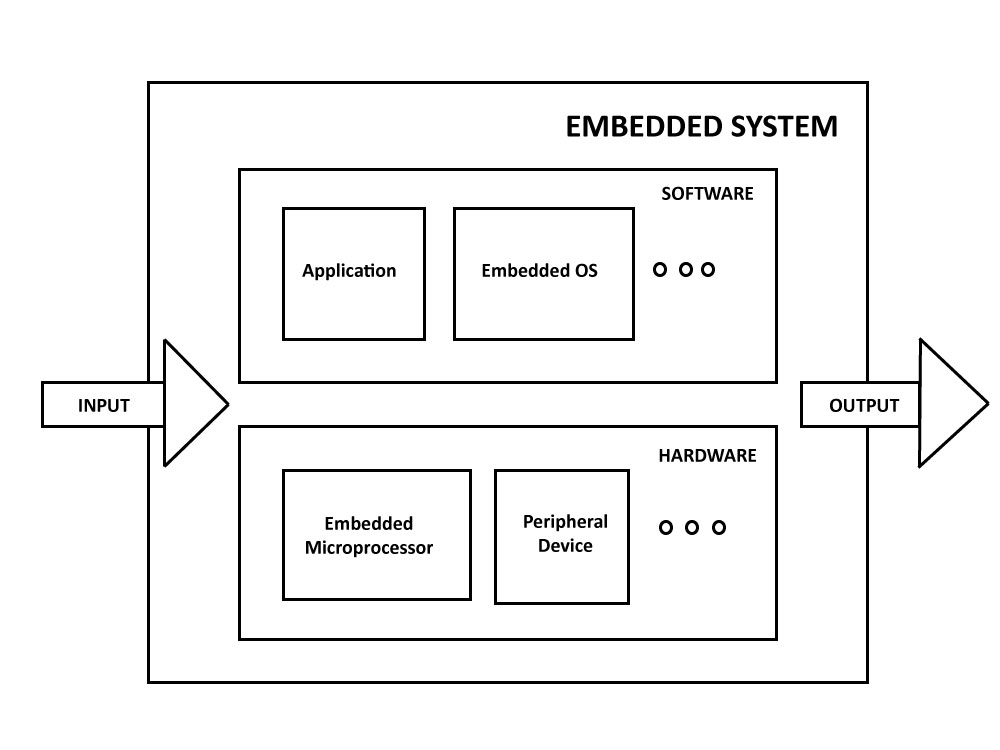
What Is an Embedded
System Architecture?
An embedded system architecture is a structured plan that identifies the major components of a system and captures their functional relationships — without requiring detailed implementation information like source code or circuit schematics.
Think of it as an abstraction of the device: a generalization that focuses on what each element does and how it connects to everything else. Hardware and software components are represented as functional blocks, with the interactions between them as the primary focus.
The architecture is not a finished design. It is a snapshot of the system at the planning stage — a shared reference that captures a specific environment and a defined set of requirements, before any implementation decisions are locked in.
This distinction matters. Because the architecture operates at a high level of abstraction, it can be created, reviewed, and revised by a cross-functional team — not just by engineers. That is precisely what makes it valuable during the early phases of a project.
What the Architecture
Actually Contains
A well-defined embedded system architecture captures four categories of information that are essential for hardware sourcing and system design:
- Processing platform (SBC, SOM, embedded PC)
- I/O and peripheral expansion requirements
- Communication interfaces (serial, Ethernet, fieldbus)
- Power input and supply architecture
- Physical form factor and mounting constraints
- Operating system and RTOS requirements
- Driver dependencies and API stack
- Application logic and control flow
- Communication protocols and data formats
- Update and maintenance strategy
- Operating temperature range
- Vibration, shock, and ingress protection
- EMI and noise exposure
- Humidity and contamination conditions
- Enclosure and installation context
- Expected deployment duration
- Regulatory and certification needs
- Long-term availability expectations
- Budget envelope and unit cost targets
- Support and serviceability requirements
Three Challenges the Architecture
Solves Early
Designing and Planning Across a Mixed Team
When developing an embedded system, most companies assemble teams that include planners, buyers, engineers, marketers, and product managers — all working toward the same deliverable from different angles. Without a shared reference, each group optimizes for its own set of priorities, and misalignment compounds as the project progresses.
The architecture provides that shared reference. It communicates the design informally and quickly to people with or without technical backgrounds, using functional descriptions of components and relationships rather than implementation details. Disagreements surface earlier, when changes are still inexpensive.
Cost Control and Component Sizing
In technology projects, go-to-market timelines are measured in years and initial capital investments are significant. Sourcing the wrong component — one that is over-specified, under-specified, or simply incompatible — creates costs that compound well beyond the price of the part itself.
An architecture helps you understand the true capability requirements and correctly size hardware before purchase commitments are made. Over-building wastes budget. Under-building forces redesigns. The architecture is how you find the right size on the first pass.
Application Requirements That Cannot Be Compromised
Some embedded applications have requirements that go beyond standard performance specifications. The architecture is where those constraints are captured explicitly — so they stay visible throughout the project and are not discovered as late-stage surprises.
- Harsh environment certification -- Applications in outdoor enclosures, mobile platforms, or manufacturing floors may require components rated for wide temperature ranges, vibration, and ingress protection.
- Mission-critical operation -- 24/7 uptime requirements, fail-safe behavior, and redundancy needs must be specified at the architecture level — not added after hardware is selected.
- Regulatory compliance -- Medical, defense, and energy applications carry certification obligations that influence processor choice, OS selection, and supplier qualification.
- Long lifecycle availability -- OEM programs that ship for five to ten years need a hardware platform with a matching availability commitment. This is an architecture-level decision, not a procurement afterthought.
Why Defining the Architecture
Before Sourcing Matters
The most expensive mistakes in embedded system projects are not technical errors. They are sourcing decisions made before the requirements were fully understood. A component that looked correct on a datasheet, selected before the architecture was defined, may be incompatible with the thermal environment, the software stack, or the expected deployment duration.
| Sourcing Without Architecture | Sourcing With Architecture |
|---|---|
| Requirements discovered late — after hardware is committed | Requirements defined before any component is selected |
| Team members optimize for different, conflicting priorities | Shared reference aligns all stakeholders from day one |
| Over-specified components inflate BOM cost | Hardware is correctly sized to real application needs |
| Lifecycle mismatches create mid-program redesigns | Availability and support horizon reviewed at the start |
| Compliance gaps found during validation | Certification requirements captured at the architecture level |
How to Use the Architecture
as a Sourcing Tool
Once the architecture is defined, it becomes the filter through which every component decision passes. Use it as a checklist, not just a planning document.
- Map each hardware element to a functional requirement — Every component in the architecture should trace back to a specific application need. If it does not, question whether it belongs in the design.
- Identify interface dependencies early — Confirm that the processing platform, I/O modules, communication interfaces, and software stack are compatible before any single element is selected in isolation.
- Document environmental limits as hard constraints — Temperature range, vibration, and ingress requirements are not negotiable at the component level. Suppliers that cannot meet them are disqualified, regardless of other specifications.
- Include lifecycle availability as a sourcing criterion — Request explicit availability commitments from suppliers and match them to the expected program duration before committing to a platform.
- Review with the full team before finalizing — The architecture's value is as a communication tool. A final review with planners, engineers, buyers, and product managers surfaces assumptions that would otherwise become late-stage problems.
The architecture is also a foundation for selecting a supplier, not just individual components. A supplier that understands embedded system architecture — and can support the full hardware stack across the deployment lifecycle — reduces integration risk and simplifies long-term program management. Contec Americas is positioned to support that kind of architecture-driven selection, from single-board computers to complete embedded platforms.
Ready to Define Your Embedded System Architecture?
Contec Americas offers single-board computers, fanless embedded PCs, edge AI platforms, and industrial I/O hardware designed for demanding OEM and industrial applications — with lifecycle support to match long program horizons. Our engineering team can help you translate your architecture requirements into the right hardware platform.
Explore Embedded Systems